
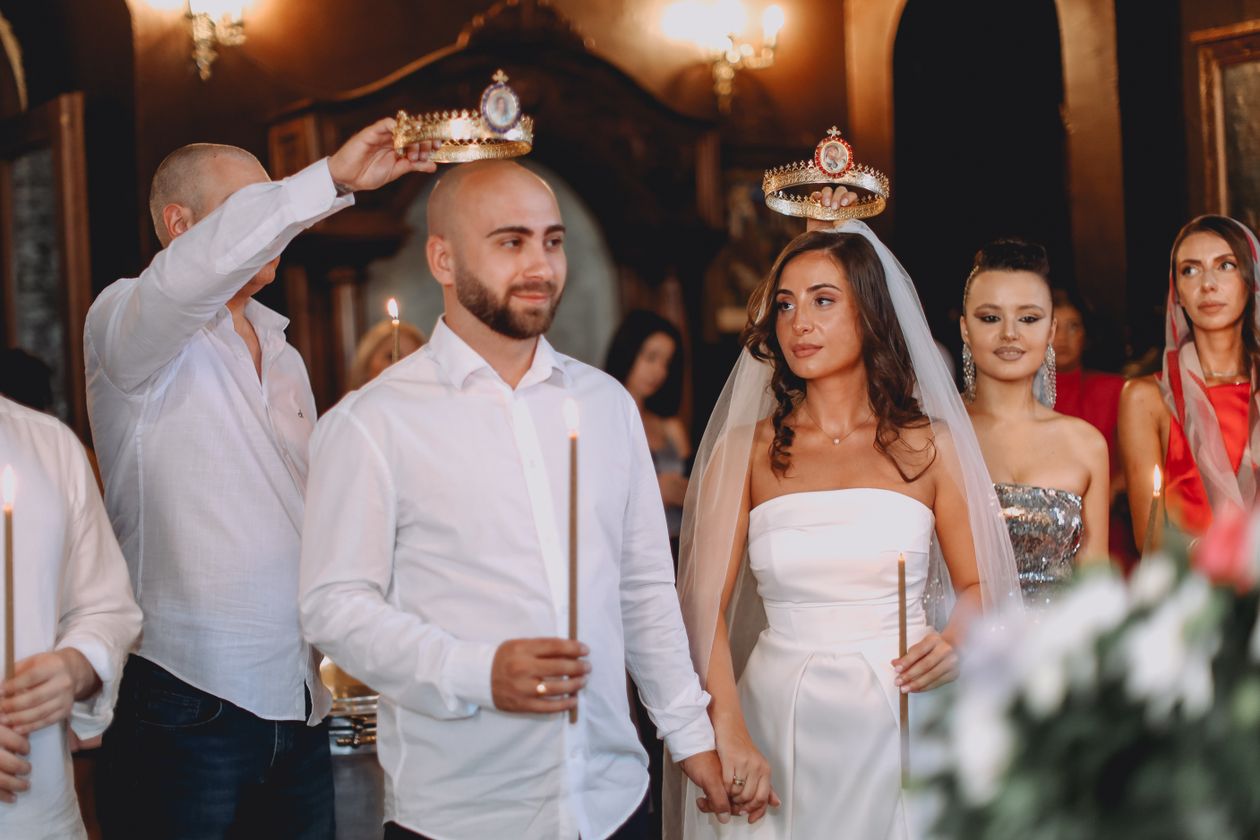
A wedding day happens once, and it happens fast. The groom’s face as the bride appears at the end of the aisle, a parent wiping away tears mid-speech, the exact second rings are exchanged, these moments last seconds and never repeat. A single camera operator, however skilled, can only point in one direction at a time. Multi-camera coverage exists specifically to solve that problem, and for many UAE couples planning a wedding photography and videography package, it’s become less of a luxury upgrade and more of a genuine question worth weighing carefully.
What Multi-Camera Wedding Coverage Actually Means
In practice, multi-camera coverage means two or more camera operators working the same moment simultaneously from different positions, rather than one person moving between angles across the day. A typical setup might place one camera on a wide, locked-off shot of the altar as a safety net, while a second operator moves freely to capture close, emotional reactions. For larger UAE weddings with separate groom and bride preparation areas happening at the same time, a third camera is often used to cover both sides of the morning in parallel rather than choosing one over the other.
The Moments a Single Camera Can Miss
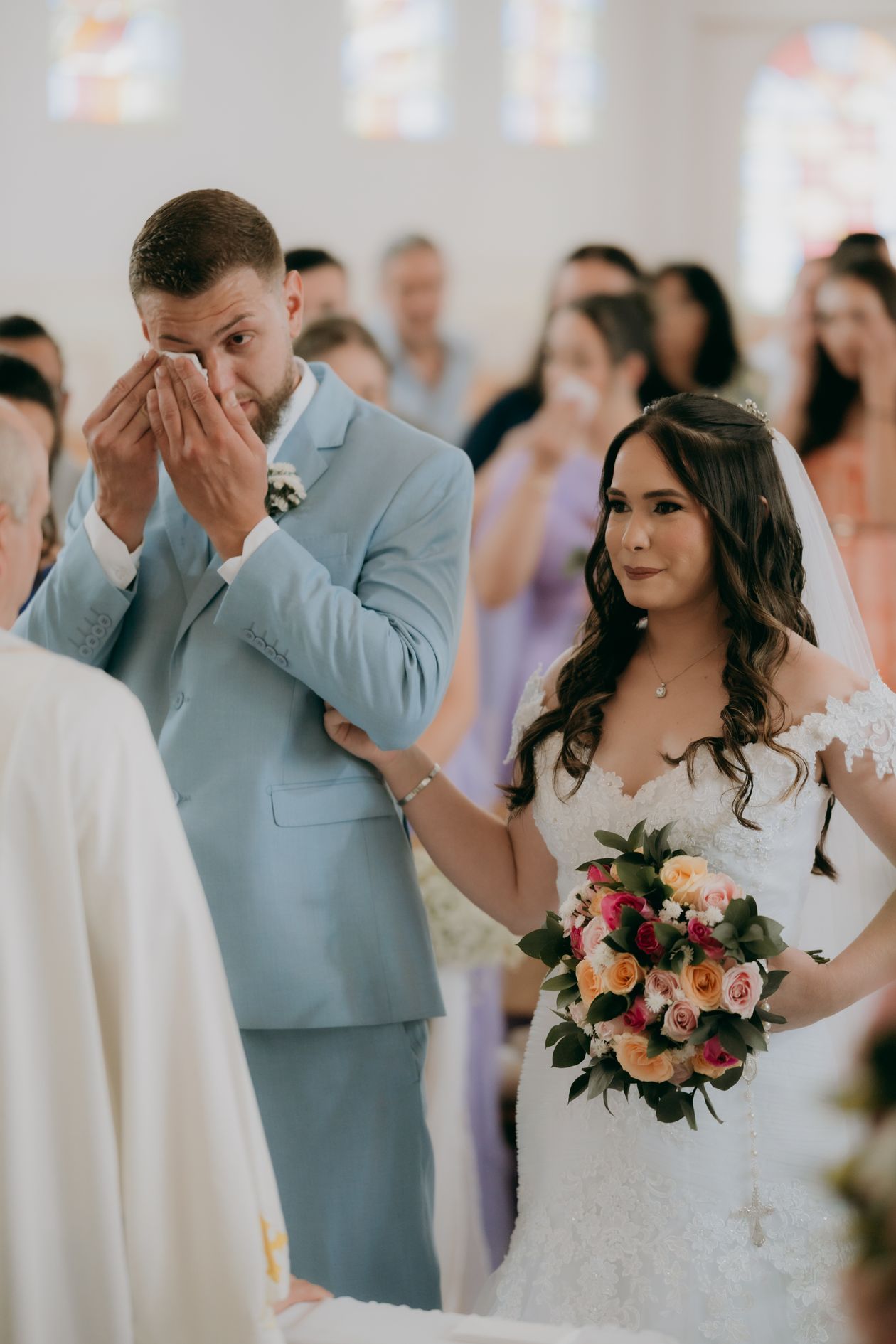
The core argument for multi-camera coverage isn’t about production value, it’s about risk. A solo videographer focused on the couple during vows will almost certainly miss the mother of the bride’s reaction in the front row, or the groomsman wiping his eyes in the back. Industry-reported figures suggest two-camera coverage can capture roughly 60% more unique angles across a ceremony than a single operator working alone, which translates directly into a richer, more complete final film rather than one built entirely around a single vantage point.
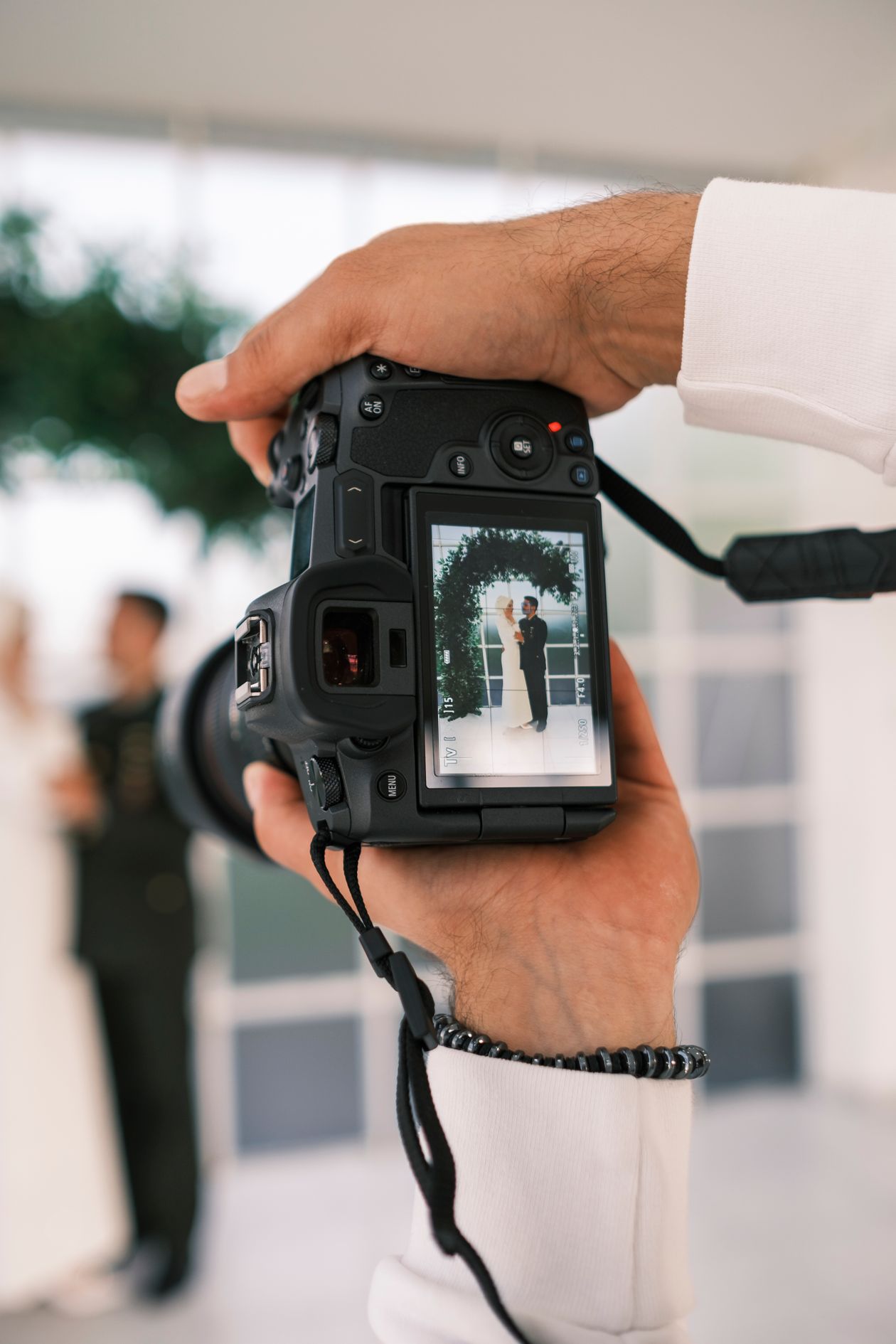
Ceremony Coverage: Wide Safety Shots vs Close Emotional Shots
The ceremony is where multi-camera coverage earns its keep most obviously. A wide, stable shot of the full altar acts as insurance, guaranteeing usable footage of the vows and ring exchange even if something unexpected happens with a second camera. A tighter second angle, meanwhile, can move in on faces, hands, and small gestures that a wide shot simply can’t resolve in enough detail to feel intimate. Editing between these two perspectives afterward is what gives a wedding film its rhythm, cutting from a wide establishing moment into a close emotional beat the way a real film does.
Capturing Both Sides of the Day at Once
Preparation time is one of the most commonly underestimated moments in wedding coverage. The bride getting ready and the groom getting ready typically happen in different locations at the same time, and without a second camera, one side of that story simply doesn’t exist on film. The same logic extends to venue and setting: for weddings held at properties with striking architecture or scenic grounds, a drone photography angle captured during the ceremony or reception adds a scale and setting shot that ground-level cameras, however many there are, simply cannot produce on their own.
Reception, Speeches, and the First Dance
Speeches present their own version of the same problem. The speaker needs one dedicated angle, but the couple’s live reaction, laughing, tearing up, glancing at each other, is just as important to the finished film and happens in a completely different part of the room. The first dance benefits from the same wide-plus-close approach used during the ceremony: one camera holding the full dance floor, another moving in on faces and footwork. Many couples also add a live print photo booth during the reception, which runs independently of the main camera coverage and gives guests something tangible to take home the same night.
Is It Worth the Extra Cost?
This is the honest question every couple weighing this decision eventually asks, and the answer depends on guest count and venue complexity more than anything else. For an intimate ceremony with under 50 guests in a single room, a well-positioned single camera can still produce a beautiful film. For larger UAE weddings with separate prep locations, a big ceremony hall, and a reception running for hours, the risk of missing something significant rises sharply, and that’s exactly where the added crew cost tends to justify itself. Our guide to multi-camera event recording cost in the UAE breaks down exactly how camera count and crew size affect the final quote, which applies directly to weddings as much as it does to conferences.
What to Ask Before Booking Multi-Camera Wedding Coverage
Not every videographer offering “multi-camera coverage” means the same thing by it, so it’s worth asking specifically how many dedicated operators will be present, where each camera will be positioned during the ceremony, and whether prep coverage on both sides of the wedding is included or priced separately. A team that plans camera positions in advance around the actual venue and ceremony order tends to deliver noticeably more coherent footage than one improvising angles on the day. At Dubai Fotographer, wedding coverage is planned around the couple’s actual day rather than a fixed template, so the camera count and positions are built around the venue and schedule from the start.
Frequently Asked Questions
How many cameras does a UAE wedding typically need?
Two cameras cover most weddings well, one wide and one close. Larger weddings with separate prep locations or big ceremony halls often benefit from a third camera to cover both sides of the day.
Does multi-camera coverage mean a longer editing turnaround?
Slightly, since more footage needs to be synced and reviewed. Most experienced teams build this into their standard delivery timeline rather than treating it as an unexpected delay.
Is multi-camera coverage necessary for a small, intimate wedding?
Not always. For a small single-room ceremony, a well-positioned single camera can still capture the day beautifully. The value of a second camera grows with guest count and venue complexity.
Can multi-camera coverage be added just for the ceremony, not the whole day?
Yes. Many couples add a second camera specifically for the ceremony and speeches, the two segments where reactions matter most, while keeping single-camera coverage for the rest of the day.
Does a second camera operator need to be as experienced as the lead videographer?
Ideally yes, or close to it. A second camera capturing unscripted, once-only moments needs the same instinct for timing as the lead shooter, not just technical competence with the equipment.
Planning Your Wedding Coverage?
Get a camera plan built around your actual venue and schedule, not a fixed package that doesn’t fit your day.
Or WhatsApp us directly at +971 52 294 6276