
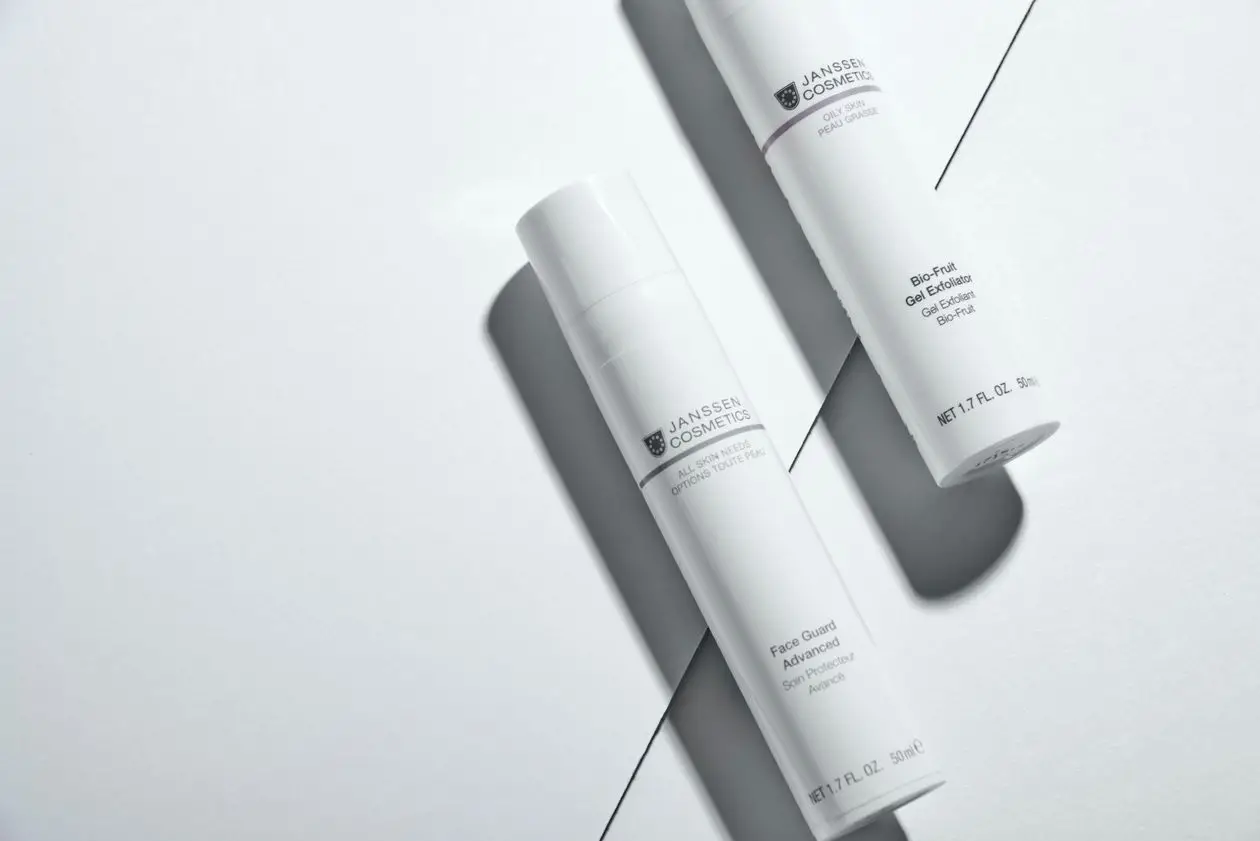
Every seller building out a product catalog eventually hits the same fork in the road: should the photos be clean and clinical on a plain white background, or styled and aspirational in a real setting? Framed as a choice between two camps, it’s easy to pick wrong and feel like the budget was wasted either way. The honest answer, backed by a fair amount of ecommerce data, is that the stores converting best aren’t choosing one over the other. They’re using both, in a deliberate order, and treating product photography as a system rather than a single style decision.
Table of Contents
What White Background Photography Actually Does
A pure white background image does one job extremely well: it removes every distraction and puts the product itself under a magnifying glass. Shoppers can evaluate shape, colour, material, and scale without anything else competing for attention. This is exactly why marketplaces like Amazon and Etsy require it for the main listing image, and why category grids and comparison pages default to it. White background photography answers the question “what exactly am I buying,” fast and unambiguously.
What Lifestyle Photography Does That White Background Can’t
Lifestyle photography answers a completely different question: “what will my life look like once I own this.” A skincare bottle on a marble bathroom counter, a backpack shown at realistic scale on someone’s shoulders, a coffee mug next to a laptop on a lazy morning, these images sell an experience rather than an object. They work because they let a shopper picture themselves using the product before they’ve bought it, which is a psychological step a plain studio shot simply can’t provide.
📊 What the data actually shows
Ecommerce research consistently finds that listings combining lifestyle images alongside white background packshots convert meaningfully higher, often in the 15 to 30% range, than white-background-only listings. eMarketer-cited data on ecommerce photography places the combined-format uplift at around 30% on average, a gap large enough to directly affect a store’s bottom line.
Why the Two Formats Aren’t Actually Competing
The mistake most sellers make is treating this as an either-or decision instead of a sequencing one. Lifestyle photos get a shopper interested and emotionally engaged. White background photos then give them the clarity and confidence to actually commit to the purchase. Used together in the right order, hero image on white, followed by a gallery mixing angles, lifestyle context, and close-up detail, each image does the specific job it’s best at rather than one style trying to do everything.

Building the Right Image Set for Each Channel
Different platforms reward different formats. Amazon and other marketplaces expect a strict white background main image, with lifestyle and detail shots filling the remaining gallery slots. Shopify and independent ecommerce sites have no such restriction, so the convention there is a clean hero image followed by a mix of studio and lifestyle photos in the rest of the gallery. Paid social and Instagram ads, by contrast, perform best almost entirely with lifestyle content, since a styled, in-context photo blends naturally into a feed in a way a stark white product shot never will.
How Many Images Is Actually Enough
Volume matters almost as much as style. Analysis of over two million product listings found that pages with more than five images converted roughly 50% higher than single-image listings, though the gains taper off once each additional photo stops adding new information. A practical target for most products is five to eight images: one white background hero, two or three alternate angles, at least one lifestyle or in-use shot, and a close-up detail image covering texture, material, or a key feature.
Category-Specific Considerations
The ideal ratio between white background and lifestyle images shifts depending on what’s being sold. Apparel and fashion tend to weight more heavily toward on-model lifestyle photography, since fit and how something actually looks worn matters more than a flat product shot alone; our guide to Amazon.ae product photography requirements covers the category-specific rules that apply on that platform in more detail. Electronics and small hard goods tend to weight the other way, favouring clean studio detail over styled scenes, since buyers are usually evaluating specs and build quality more than lifestyle appeal.

Reducing Returns With the Right Image Mix
There’s a return-rate cost to getting this wrong that often goes unmentioned. A meaningful share of online returns happen specifically because a product looked different in person than it did online, and listings relying entirely on flattering lifestyle shots without a clear, accurate white background reference are especially prone to this. A well-built image set, accurate on scale and detail as much as it is appealing in context, doesn’t just sell better, it also sets expectations correctly enough to reduce costly returns after the sale.
Frequently Asked Questions
Should every product have both white background and lifestyle images?
Ideally yes. The combination consistently outperforms either format alone, with white background handling clarity and lifestyle handling emotional appeal and context.
Which format should be the main listing image?
On marketplaces like Amazon and Etsy, a compliant white background image is typically required as the main image. On independent sites like Shopify, a clean hero image is still the safest default, with lifestyle images following in the gallery.
How many product images should a listing have?
Five to eight is a reliable target for most products, covering a white background hero, a few alternate angles, at least one lifestyle shot, and a close-up detail image.
Do lifestyle images actually reduce returns?
Indirectly, yes, when paired with clear white background references. The bigger return risk comes from relying on lifestyle images alone without an accurate, unstyled reference shot of the product itself.
Is lifestyle photography worth it for every product category?
It matters most where fit, scale, or usage context is hard to judge from a flat shot, like apparel or home goods. For small technical products, buyers often care more about clean, accurate detail than styled scenes.
Building Out Your Product Catalog?
Get a complete image set, white background hero shots, lifestyle context, and detail close-ups, built for how your products actually sell.
Or WhatsApp us directly at +971 52 294 6276