
Every UAE business planning video coverage for an event, a product launch, or ongoing marketing content eventually asks the same question: is a single camera enough, or does the job actually need more than one? It’s tempting to treat this as a budget question alone, but the real decision is about risk, coverage completeness, and what the final video actually needs to do. This breaks down the genuine cost-benefit trade-off between single-camera and multi-camera event recording, so the choice is based on the job rather than habit.
Table of Contents
Single-Camera and Multi-Camera: What Each Actually Delivers
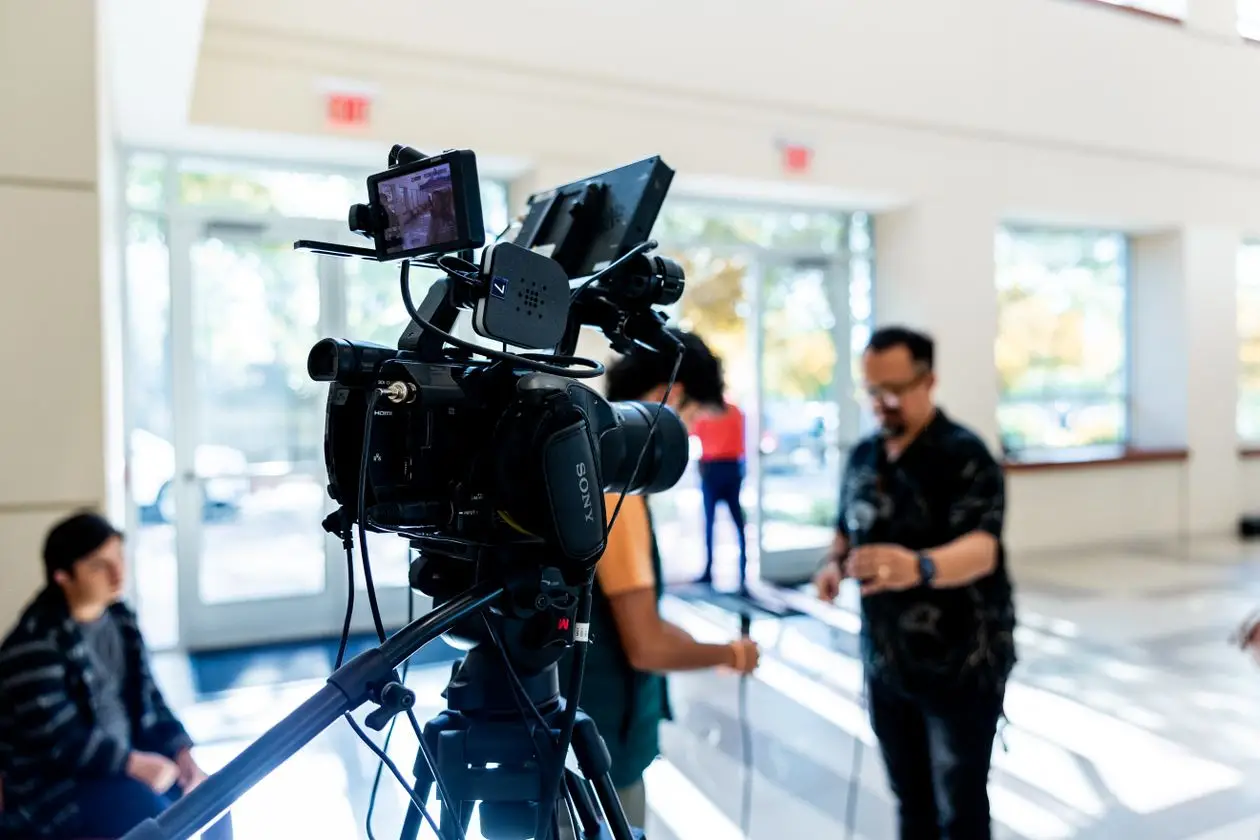
A single-camera setup means one operator, one lens, and one perspective at any given moment, moving between positions as the event unfolds. It’s the leaner, more mobile option, well suited to interviews, product demos, and smaller events with one clear focal point. Multi-camera coverage puts two or more operators in fixed or semi-fixed positions simultaneously, trading mobility for the ability to capture wide and close angles, or two different parts of a venue, at the exact same moment.
Comparing the Core Costs
The cost gap isn’t just about paying a second camera operator. More cameras mean more equipment to transport and set up, more raw footage to store and back up, and typically longer post-production time to sync and edit multiple angles into a coherent final cut. A single-camera shoot can often be edited and delivered faster simply because there’s one continuous timeline to work with, rather than several angles that need to be reviewed and cut between.
Comparing the Core Benefits
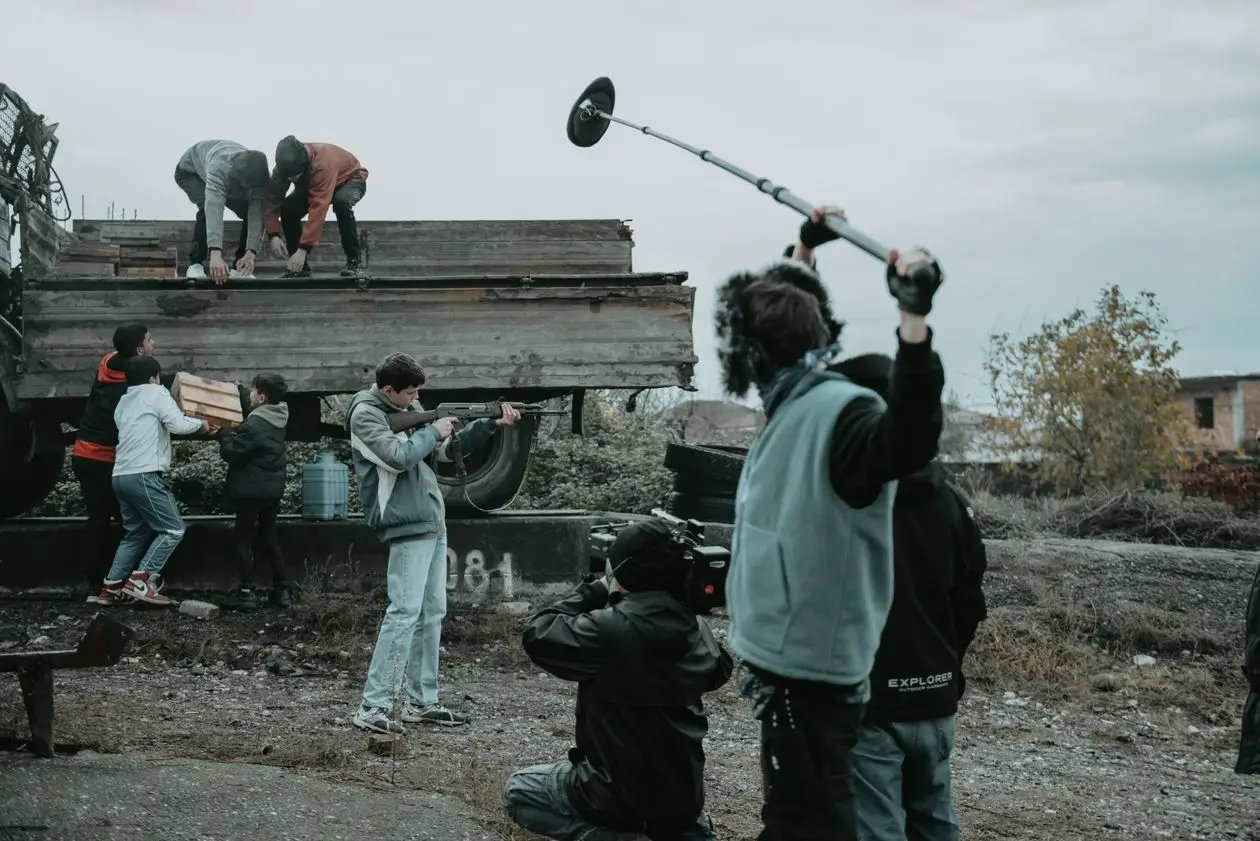
What multi-camera coverage buys back for that added cost is risk reduction and editing flexibility. If a single camera misses a reaction, a technical glitch, or an unexpected moment, that footage is simply gone. A second angle running in parallel provides a safety net and gives editors far more material to work with when building a dynamic final video rather than a single unbroken shot. For content that will be repurposed extensively, cut into short clips for social media, a highlight reel, and a full-length recap, having multiple source angles gives an editor meaningfully more to work with.
Side-by-Side Comparison
| Factor | Single-Camera | Multi-Camera |
|---|---|---|
| Upfront cost | Lower | Higher, scales with camera count |
| Coverage risk | Higher, one missed angle is lost footage | Lower, angles back each other up |
| Editing complexity | Simple, single timeline | Higher, angles need syncing and cutting |
| Turnaround time | Faster | Slower, more footage to review |
| Best suited for | Interviews, small events, single-focus content | Conferences, product launches, panels, large events |
| Content repurposing potential | Limited, one perspective to draw from | Strong, multiple angles for clips and highlights |
When Single-Camera Is the Smarter Choice
For a straightforward interview, a talking-head testimonial video, or a small internal update with one clear speaker, a single well-positioned camera is often genuinely the better choice, not just the cheaper one. Adding a second camera to a shoot that doesn’t need it adds cost and editing time without meaningfully improving the final result. The honest question to ask is whether the event has more than one thing worth capturing at the same time; if not, single-camera coverage is rarely a compromise.
When Multi-Camera Pays for Itself
Multi-camera coverage earns its cost when an event has genuine parallel action, a stage and an audience reacting, a panel with multiple speakers, or a product demo happening alongside a networking area. It also pays off for footage with a long shelf life: a broader library from one shoot lets a UAE business keep publishing afterward instead of commissioning something new each time.

Making the Decision for Your Event
In practice, the decision usually comes down to three questions: does more than one important thing happen at the same time, will the footage be reused across multiple formats afterward, and how much risk is acceptable if something gets missed. A single-camera answer to all three points toward keeping it simple. Multiple “yes” answers usually mean the added cost of a second camera is solving a real problem, not adding unnecessary complexity. Our related guide on corporate event photography checklists walks through the same planning questions for photography coverage, and much of that logic carries over directly to video. Whichever setup fits the brief, Dubai Fotographer plans camera count around the actual event rather than defaulting to a fixed package.
Frequently Asked Questions
Is multi-camera coverage always better than single-camera?
No. It’s better for events with genuine parallel action or heavy content reuse needs. For simple, single-focus shoots, single-camera coverage is often the more sensible choice, not just the cheaper one.
How much more does multi-camera coverage typically cost?
It scales with camera count and crew size rather than a fixed multiplier. Our guide to multi-camera event recording costs in the UAE breaks down the specific variables that affect the final price.
Does multi-camera coverage always mean a longer editing turnaround?
Generally yes, since more footage needs to be synced and reviewed. The gap is usually a few extra days rather than a dramatic delay for most event-sized productions.
Can a business start with single-camera and add more later?
Camera count is typically locked in before the shoot since crew and equipment are booked in advance. It’s best to assess the event’s actual coverage needs upfront rather than trying to scale up on the day.
What’s the biggest mistake businesses make in this decision?
Defaulting to whichever option feels safer without actually assessing the event’s structure. A busy multi-track event covered with a single camera, or a simple interview over-produced with three cameras, both waste budget in opposite directions.
Not Sure Which Setup Fits Your Event?
Get an honest recommendation based on your event’s actual structure, not a fixed package that doesn’t fit.
Or WhatsApp us directly at +971 52 294 6276