
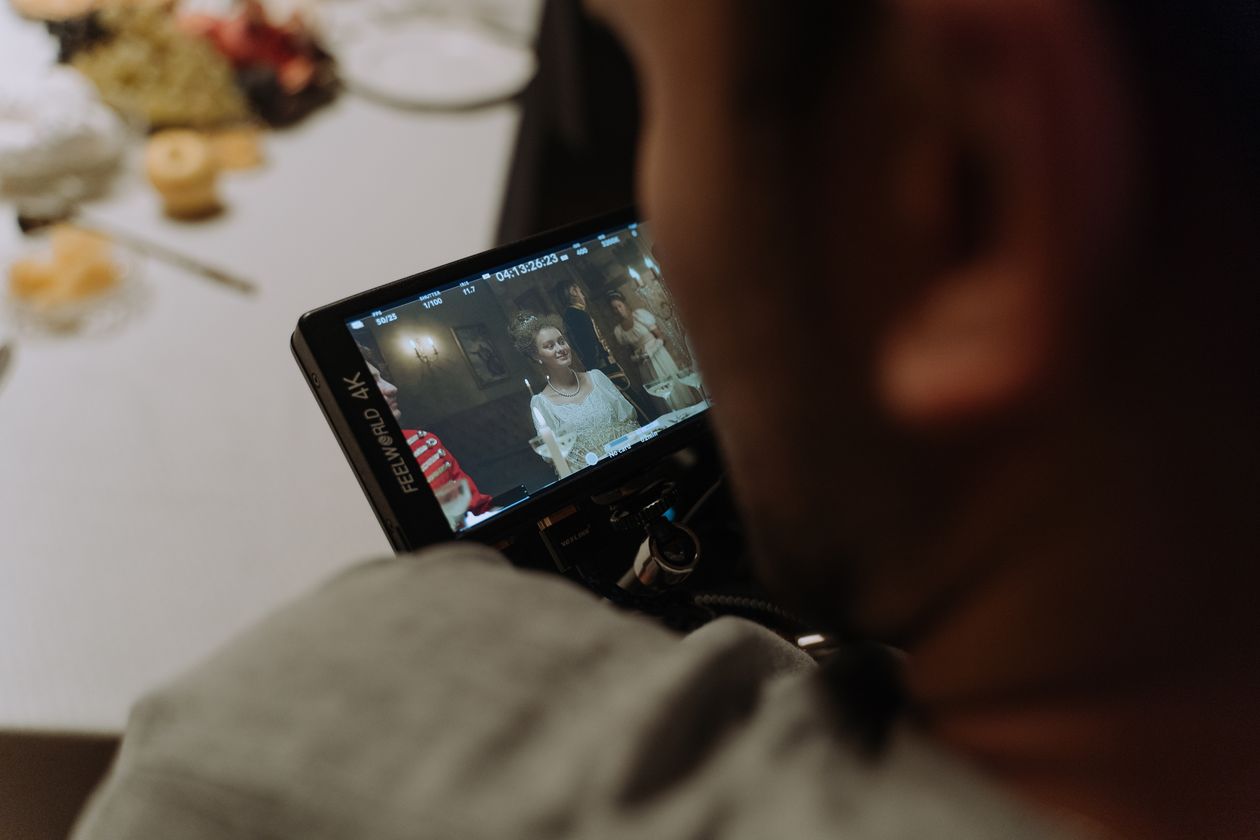
From the outside, multi-camera coverage can look deceptively simple: a few people standing behind cameras, pointing them at the action. What actually happens behind the scenes is closer to a small, tightly coordinated operation, with each person on a multi-camera event recording crew responsible for a specific part of the final result. Understanding what each role actually does makes it much easier to know what you’re paying for, and what questions are worth asking before booking a crew.
Why “One Camera Guy” Isn’t How Multi-Camera Productions Work
A single-camera shoot can genuinely run with one skilled operator making every decision themselves. Multi-camera productions can’t work that way, because no individual operator can see the full picture of what every other camera is capturing in real time. The whole point of the format is parallel coverage, which means the crew needs a structure, defined roles that don’t overlap, clear communication, and someone coordinating the whole operation, rather than several people independently doing their own thing in the same room.
The Director or Technical Lead
Every multi-camera shoot needs someone whose job is to see the entire production at once rather than operate a single camera. On larger productions this person watches a bank of monitors showing every camera’s live feed, calling out framing adjustments, flagging missed shots, and making real-time decisions about which angle should be recorded or switched to next. On smaller crews, this role is sometimes combined with the switcher operator, but the function itself, someone with the full picture, doesn’t disappear even when the titles get combined.
Camera Operators: More Than Just Pointing and Shooting
Each camera operator is typically assigned a specific role rather than simply “a camera.” One might be locked on a wide safety shot of the entire stage, while another moves freely to capture close, reactive footage. A third might be dedicated entirely to audience or crowd reactions. These assignments are usually decided before the event starts, based on the venue layout and what’s happening, so operators aren’t duplicating each other’s coverage or leaving gaps by accident.
The Vision Mixer and Switcher Operator
For productions using live switching rather than post-produced editing, the switcher operator sits at a video mixing console and cuts between camera feeds in real time, deciding which angle the audience or livestream sees at any given moment. This role requires anticipating what’s about to happen almost as much as reacting to what already has, since a late cut to a reaction shot loses most of its impact. It’s a genuinely different skill set from operating a camera, closer to live editing under pressure than to cinematography.
Audio Engineer: The Most Overlooked Role
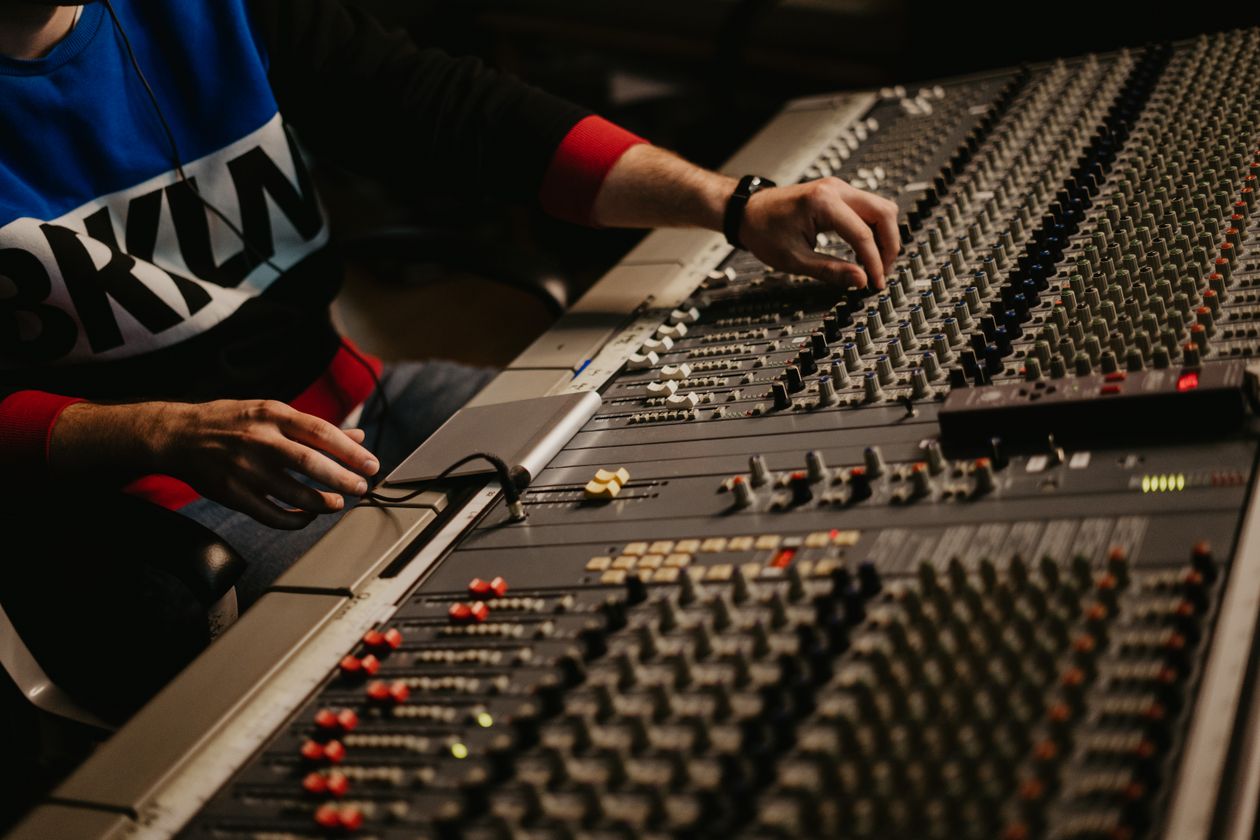
Video quality gets most of the attention, but poor audio is what actually makes footage feel unwatchable. A dedicated audio engineer manages microphone levels across multiple sources, speaker mics, ambient room mics, wireless lapel mics, and mixes them into a clean, balanced track that doesn’t clip, drop out, or bury a speaker under room noise. On larger productions this is a full-time role running in parallel with the camera team, not something handled as an afterthought by whoever is closest to the mixer.
Crew Roles at a Glance
| Role | Primary Responsibility |
|---|---|
| Director / Technical Lead | Oversees all camera feeds and makes real-time coverage decisions |
| Camera Operators | Each assigned a specific angle or coverage zone |
| Vision Mixer / Switcher | Cuts live between camera feeds during real-time switching |
| Audio Engineer | Manages and balances all microphone sources |
| Editor (post-production) | Syncs and cuts multi-angle footage into the final video |
How These Roles Coordinate Before and During the Event
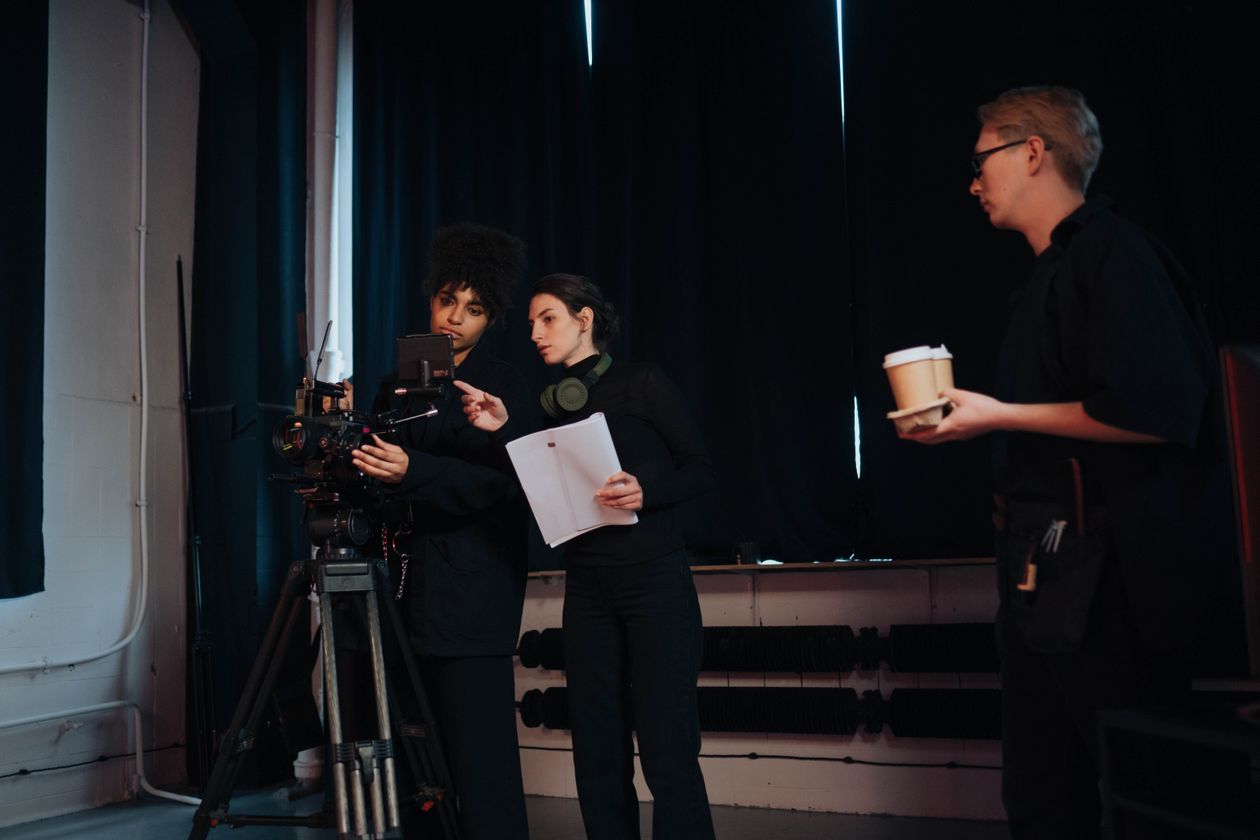
None of this works without planning that happens well before the event starts. A pre-production briefing typically walks the crew through the venue layout, the schedule, and which camera covers which zone, so operators aren’t improvising their positioning on the day. During the event itself, most crews stay in contact through earpieces or a group communication channel, allowing the director to redirect an operator’s attention in real time if something unexpected happens in another part of the venue. Our earlier piece on multi-camera coverage for weddings covers how this same coordination applies on a smaller scale, where even two operators need a clear plan to avoid duplicating the same shot.
Crew size scales with event complexity rather than following a fixed formula, which is exactly what drives the cost differences covered in our guide to multi-camera event recording costs in the UAE. Whatever the scale of the event, Dubai Fotographer builds the crew structure around the specific venue and schedule rather than sending a generic team and hoping the roles sort themselves out on the day.
Frequently Asked Questions
How many people are typically on a multi-camera production crew?
It varies with event scale, but a common setup includes two to three camera operators, a director or technical lead, and an audio engineer, with a switcher operator added for live-switched productions.
Does every multi-camera shoot need a dedicated director?
For larger productions, yes. On smaller two-camera shoots, the director role is sometimes combined with the lead camera operator, but someone still needs to be coordinating the overall coverage.
What’s the difference between a switcher operator and an editor?
A switcher operator makes cutting decisions live during the event itself. An editor works afterward, reviewing all recorded footage and building the final cut in post-production without the time pressure of a live broadcast.
Why does audio need its own dedicated crew member?
Because managing multiple microphone sources in real time, balancing levels and preventing drop-outs, requires constant attention throughout the event. Splitting this across a camera operator’s already-full workload tends to produce weaker audio.
Do smaller events still need this many crew roles?
Not always at full scale. Smaller events often combine roles, one person handling both direction and switching, for example, but the underlying functions still need to be covered by someone.
Want a Crew That’s Actually Coordinated?
Get a multi-camera team with defined roles, a real plan, and no improvising once the event starts.
Or WhatsApp us directly at +971 52 294 6276