

Walk into most UAE offices and the team page tells a story nobody meant to tell. A few sharp, recent headshots sit next to a five-year-old photo from someone’s first week, a blurry crop from a phone camera, and one person who simply never got around to it. Headshot day exists to fix that in a single afternoon, but only if it’s organized properly. Done well, professional portrait photography for an entire team is one of the most efficient investments a company can make in how it presents itself, both internally and to the outside world.
Table of Contents
Why Headshot Day Matters More Than It Seems
A consistent set of professional headshots does more than tidy up a website. It shapes first impressions on LinkedIn, in email signatures, on pitch decks, and on the “meet the team” page that prospective clients scroll through before a first call. LinkedIn’s own data shows that profiles with a professional photo receive dramatically more views and connection requests than those without one, which means an outdated or missing headshot isn’t a cosmetic issue, it’s a visibility problem for every employee representing the company externally.
📈 The visibility gap
According to LinkedIn’s own published data, profiles with a professional photo receive up to 21 times more profile views and 9 times more connection requests than profiles without one. For a company with dozens of employees on LinkedIn, that gap compounds across every single profile.
Planning the Logistics: Time, Space, and Scheduling
The single biggest factor in a smooth headshot day is realistic time budgeting. A typical session runs 5 to 10 minutes per person once someone is in front of the camera, but the real bottleneck is almost always scheduling around people’s actual workday, not the shoot itself. Booking staggered time slots rather than one long queue, with a buffer between each person, keeps the day moving without a backlog forming by mid-afternoon. A quiet corner of the office with enough ceiling height and wall space for a backdrop and lighting setup is usually sufficient; a dedicated studio isn’t required for most corporate headshot sessions.
For companies running headshot day alongside a larger company-wide gathering, such as an all-hands meeting or an internal conference, coordinating multiple photo stations at once avoids a single queue backing up across a full day. Multi-camera event recording crews are sometimes brought in for exactly this kind of large-scale scheduling challenge, running parallel stations so a few hundred employees can be photographed within the same window rather than stretching the day out unnecessarily.
Setting a Consistent Style Before the Day Begins
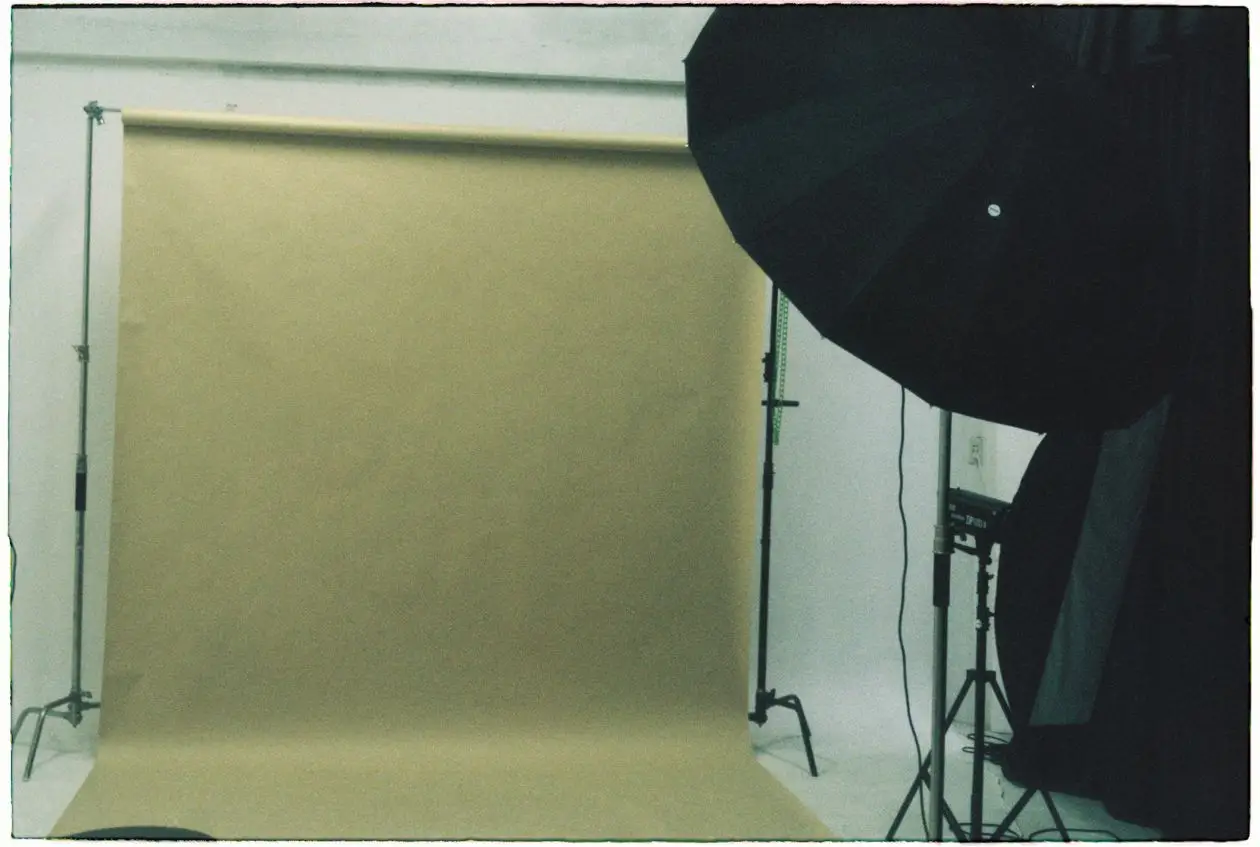
Nothing undermines a headshot day faster than inconsistency between employees, one person against a plain grey backdrop, another against a busy office window, a third with completely different lighting because they were squeezed in at the end of the day. Deciding the backdrop color, lighting setup, crop, and general pose direction before the first person sits down is what makes the entire batch look like it belongs to one company rather than a patchwork of separate photos taken over time.
Handling Dress Code and Styling Guidance in Advance
Sending clear, simple guidance to the team before the day, solid colours over busy patterns, avoiding stark white or logo-heavy shirts that clash with a bright backdrop, is a small step that prevents a surprising number of on-the-day scrambles. It’s worth sending this reminder a few days ahead rather than the morning of, since people genuinely do forget headshot day is happening amid a normal work schedule.
Combining Headshot Day With Other Company Photography
Since the whole team is already gathered and a photographer is already on-site, headshot day is also an efficient window for capturing office culture shots, team photos, and candid workplace imagery that gets reused across careers pages, LinkedIn company updates, and recruitment marketing. This is also a common add-on at larger gatherings; our conference photography checklist covers how the same on-site headshot station approach works well for capturing speakers and attendees during a live event, not just internal office days.
Companies planning a larger internal event, a product launch, an annual gathering, or a client-facing conference, often bundle headshot day directly into that occasion rather than scheduling a separate one. Corporate event photography coverage of the main event can be paired with a dedicated headshot station running quietly in a side room, so the day produces both the event recap content and updated individual photos in a single booking.

Onboarding New Hires Without Waiting for the Next Headshot Day
Most companies don’t run a full headshot day more than once a year, which leaves a gap for anyone who joins in between. A short, standing arrangement for new-hire headshots, either a quick individual session or batching a handful of new joiners together every few months, keeps the team page from drifting back into the same mismatched patchwork a full headshot day was meant to fix in the first place.
Delivering and Organizing the Final Files
The final step that’s easy to overlook is how the files actually get delivered back to the company. A clearly labelled, per-employee folder structure, with each person’s name on their files, saves HR or marketing significant time compared to receiving one large unsorted batch. Delivering both a web-optimized version and a full-resolution original for each person covers everything from a LinkedIn photo to a printed conference badge without anyone needing to request a re-export later.
Frequently Asked Questions
How long does a headshot day take for a team of 20 people?
Roughly 5 to 10 minutes per person once the setup is in place, so a team of 20 typically needs about two to three hours including short breaks and any scheduling buffer between employees.
What backdrop works best for a corporate headshot day?
A plain, neutral backdrop, grey, navy, or a soft solid colour, works best since it keeps the focus on the person and stays consistent across dozens of individual sessions.
Should employees bring a change of clothes?
It’s a good idea for anyone needing both a formal headshot and a slightly more casual team photo, but for a standard headshot day, one well-chosen outfit is usually sufficient.
How often should a company redo team headshots?
Once a year for the full team is a common cadence, with a lighter arrangement in between for new hires so no one is stuck using a placeholder photo for months.
Can headshot day be combined with other company photography needs?
Yes, since the team and photographer are already assembled, it’s an efficient time to also capture office culture shots, team photos, and content for careers pages or LinkedIn.
Ready to Organize Your Team’s Headshot Day?
Get a consistent, professional headshot for every employee, scheduled around your workday, not the other way around.
Or WhatsApp us directly at +971 52 294 6276