
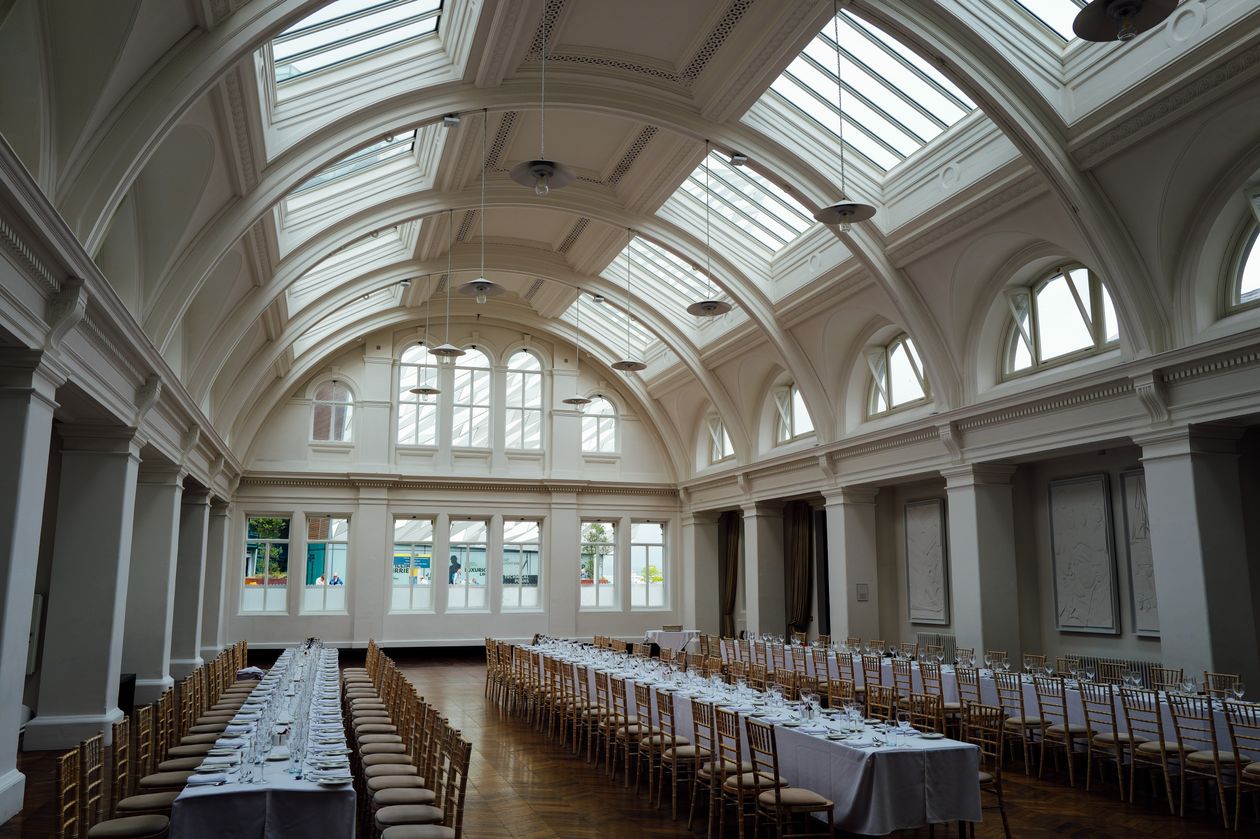
An award ceremony or gala dinner asks a lot of a camera crew that most other events don’t. The room is dim except for pools of stage light, the important moments happen in seconds on a podium, and the audience reactions worth capturing are scattered across dozens of round tables rather than facing a single direction. Multi-camera event recording exists to handle exactly this kind of layered, unpredictable coverage, but galas and award nights bring their own specific challenges worth understanding before booking a crew.
Why Award Ceremonies Are a Different Kind of Multi-Camera Challenge
Most corporate events have a fairly predictable rhythm: a speaker, a slide, an audience mostly facing forward. Award ceremonies break that pattern constantly. A category is announced, the room reacts, a winner walks to the stage, accepts, and sits back down, all within a minute or two, with genuine emotion that only exists in that exact moment. Missing any part of that sequence means missing the entire point of the shot, which is why award nights typically demand tighter, more deliberate camera planning than a standard conference.
Stage Coverage: The Podium, the Winners, and the Reveal
The stage itself needs at least two dedicated angles: a wide shot establishing the full stage and presenter, and a tighter angle ready to move in on the winner’s face the instant a name is announced. Because winners are rarely announced with much advance warning, this second camera needs to stay poised on the stage entrance and podium throughout, rather than being repositioned reactively once a name is already being read out.
Table and Audience Reactions During Award Announcements
This is the coverage most easily missed and most valuable when captured well. The genuine gasp, the hand on a colleague’s shoulder, the round of applause rippling across a specific table when a name is called, these moments happen in the audience, not on stage, and a camera fixed only on the podium will never catch them. A dedicated floor camera moving between tables, or a fixed wide angle covering a cluster of tables likely to have a nominee, adds a layer of authentic emotion that stage-only coverage simply can’t produce.
Red Carpet and Arrivals Coverage
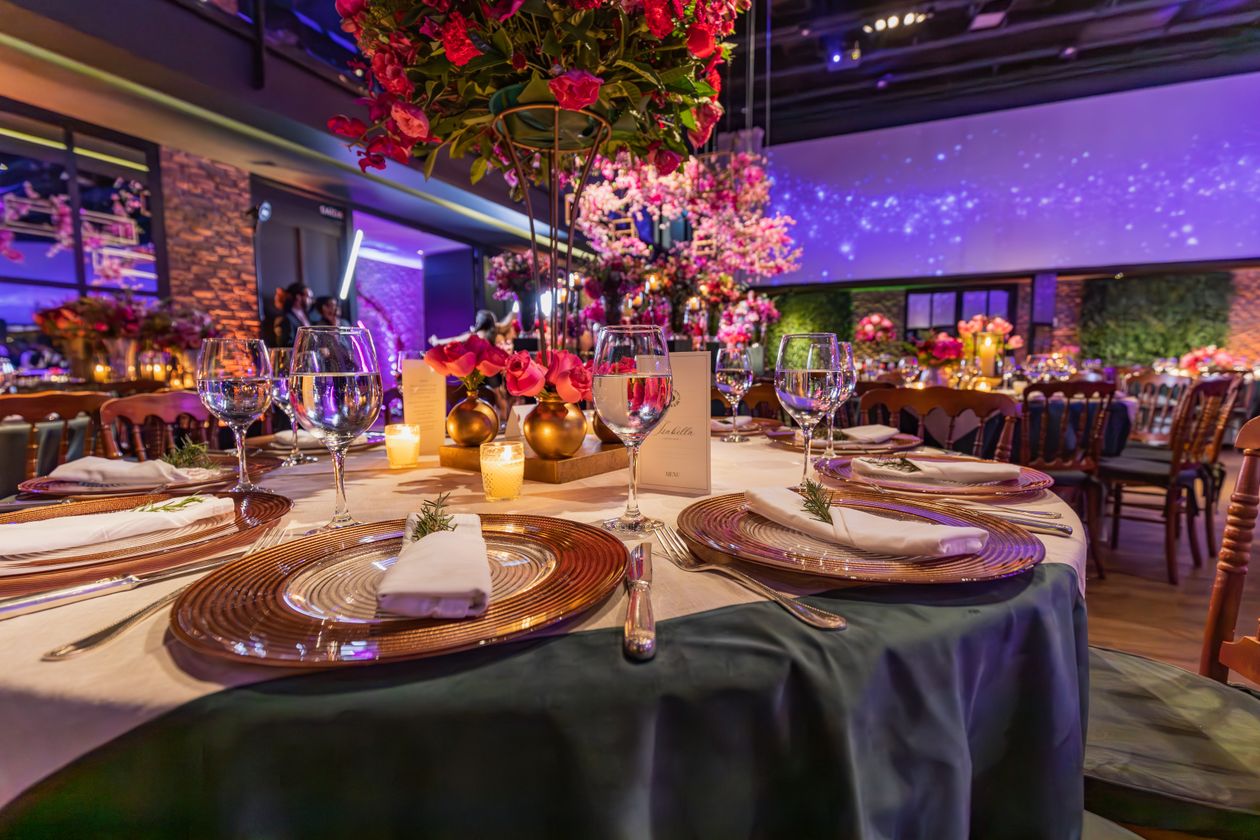
For galas with any red carpet element, arrivals coverage is effectively a separate shoot happening before the main event even starts. A camera stationed at the entrance capturing guests as they arrive, along with candid mingling shots during the cocktail hour, builds a library of content that’s just as valuable for post-event marketing as the ceremony itself, and it requires a crew member dedicated to that zone rather than pulled away once the main program begins.
Speeches, Toasts, and Entertainment Segments
Beyond the awards themselves, most galas include speeches, sponsor acknowledgments, and often a live performance or entertainment segment. Each of these benefits from the same wide-plus-close camera pairing used throughout the night, one angle holding the full stage, another capturing the specific detail, an expression, a gesture, that gives the footage its emotional weight in the final edit.
Lighting Challenges Unique to Galas and Award Nights
Award ceremonies are deliberately lit for atmosphere rather than for cameras, dim ambient lighting, dramatic spotlights, and often coloured stage washes that look striking to the eye but can be genuinely difficult to expose correctly on camera. Experienced camera operators adjust settings specifically for these conditions, since a camera calibrated for a brightly lit conference room will either blow out the spotlight or lose all detail in the darker parts of the room. This is one of the clearest cases where equipment and operator experience directly affect whether the final footage actually looks the way the room felt.
Live Streaming for Hybrid Award Ceremonies
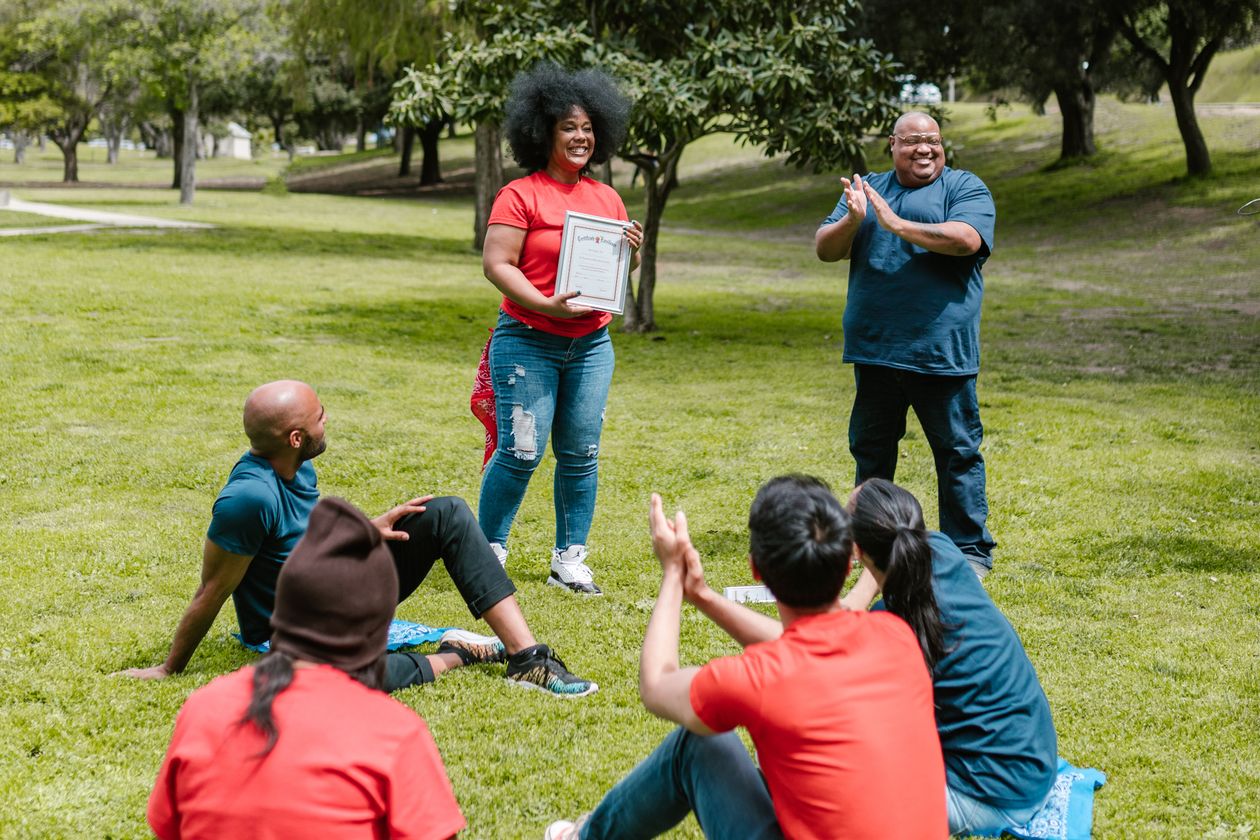
Many UAE award ceremonies now stream to nominees, sponsors, and stakeholders who couldn’t attend in person, particularly for industry-specific awards with a regional or international audience. Live streaming for this kind of event needs the same wide-plus-close camera coverage as the in-room experience, switched live so remote viewers see the winner’s reaction at the same moment the room does, not a delayed edit assembled after the fact. Planning crew roles for this kind of production follows the same logic covered in our piece on what a multi-camera production crew actually does, with the added coordination a live broadcast demands. Whatever the scale of the ceremony, Dubai Fotographer plans stage, floor, and arrivals coverage around the actual program rather than a generic template.
Frequently Asked Questions
How many cameras does a typical award ceremony need?
Most award ceremonies benefit from at least three cameras: a wide stage shot, a tight stage shot for winner reveals, and a floor or table camera for audience reactions. Larger galas with red carpet arrivals often add a fourth for that segment.
Can audience reaction shots really be captured reliably?
To a reasonable degree, yes, especially when the crew knows in advance which tables are likely to include nominees. It’s not possible to guarantee every reaction, but a dedicated floor camera significantly increases what gets captured compared to stage-only coverage.
Why is lighting such a big factor at award ceremonies?
Galas are lit for atmosphere with dim ambient light and dramatic spotlighting, which is genuinely difficult to expose correctly without experienced camera operators adjusting settings specifically for those conditions.
Is red carpet coverage worth booking separately?
For galas with a red carpet element, yes. It requires a dedicated camera during arrivals, a different window of time than the main ceremony, so it’s usually planned and quoted as its own coverage segment.
Does a hybrid award ceremony need different coverage than an in-person-only one?
The core camera coverage is similar, but a hybrid ceremony adds the requirement for live switching so remote viewers see reactions in real time rather than in a delayed recap.
Planning an Award Ceremony or Gala?
Get stage, floor, and arrivals coverage planned around your actual program, built to capture the reactions that matter.
Or WhatsApp us directly at +971 52 294 6276